







Bridging the Gaps: Collaboration, Innovation, and Identification
The 2026 International Missing Persons & Unidentified Remains Conference is honored to welcome an outstanding panel of speakers whose expertise and dedication are advancing the fields of missing persons investigations and human identification. Representing diverse disciplines, our presenters will share innovative research, emerging practices, and real-world experiences that foster collaboration, inspire progress, and strengthen our collective commitment to bringing answers to families and restoring identities.
September 29, 2026
| Registration & Breakfast 7:00 AM-8:00 AM |
| Hotel X Toronto Outside Victory Ballroom (3rd Floor) |
| Welcome & Land Acknowledgement 8:00 AM - 8:15 AM |
| Chief Superintendent Joe Matthews Toronto Police Service |
| Opening Remarks 8:15 AM - 8:30 AM |
 Deputy Chief Lauren Pogue Deputy Chief Lauren PogueToronto Police Service |
| "Considerations for the Missing Person Investigator" Ken Bilboe, Highlands Tracking Search and Rescue 8:30 AM - 10:00 AM |
|
About Ken Bilboe
Police Officer - York Regional Police – 1987 to 1991 About the Topic: The session, Considerations for the Missing Person Investigator, will explore some of the current investigative approaches used in Missing Person investigations, while introducing an alternative communication framework. Some of the topics will include, Missing Person Statistics, Missing Person Behaviour Modelling, Conditional Probability Modification, Fade Rate and Synthetic Item Degradation, Animal Scatter Patterns, Baseline Disturbances, and Human Gait Mechanics. The presentation will also feature detailed reviews of two successfully resolved Missing Person cases—Simi Abrams of Ontario and Christopher Newton of British Columbia—highlighting the search techniques that contributed to their resolution. The session will conclude with Ross Brown speaking about his brother, Robert "Robbie" Brown, and how their family was affected by the disappearance of Robbie in 1968. The intent of the presentation will be to share perspectives and consider the adoption of a new investigative filter to support future Missing Person investigations. |
| Break 10:00 AM - 10:15 AM |
| Hotel X Toronto Outside Victory Ballroom (3rd Floor) |
| "Working with Families of Long-Term Missing Persons Investigators" Dr. Kirsty Bennett, Leeds Trinity University 10:15 AM - 11:15 AM |
|
About Dr. Kirsty Bennett
Senior Lecturer of Policing, Leeds Trinity University Dr. Kirsty Bennett is a Senior Lecturer of Policing and Criminology at Leeds Trinity University. She also runs a voluntary advocacy and review unit for unsolved homicides and missing persons (referred to as MISSPER). Kirsty supports 16 families across the world who would like justice and answers to their loved one’s disappearance or unsolved case. Kirsty is an active researcher within homicides, policing, and missing persons, working with police forces in the UK. She is currently working with two police forces to evaluate their responses to missing children and developing a larger project on how the voluntary sector can help reduce repeat episodes among children. About the Session While most missing person investigations are resolved quickly and without harm, some becoming unsolved for months or years. In these cases, families are often thrust into a complex and uncertain investigative environment. They often have limited understanding of investigative processes, are unsure of how inquiries will progress, and may experience frustration with perceived gaps in the information or investigative activity. In response, many families undertake their own efforts to gather information, including speaking to friends and associates, revisiting locations connected to their loved one, and develop new hypotheses regarding their disappearance. These activities may generate information that may assist investigations, but they also present challenges relating to evidential value, information management, family wellbeing, and police-family relations. Drawing on interviews and ongoing advocacy work with the families of long-term missing persons in the UK, this presentation examines the strength and limitations of family-led information gathering. It explores the role advocacy and support services in helping families navigate prolonged investigations and considers how effective engagement can strengthen relationships between families and law enforcement. The presentation will discuss how information generated by families may be incorporated into investigative reviews and decision-making processes, while highlighting the importance of appropriate communication, information assessment, and partnership working. The findings offer practical considerations for investigators seeking to improve engagement with families and maximise opportunities for developing new lines of inquiry in long-term missing person cases. |
| "Case Study: Tess Richey" Inspector Ted Lioumanis, Toronto Police Service 11:15 AM - 12:15 PM |
|
About Insp. Ted Lioumanis
|
| Lunch 12:15 PM - 1:00 PM |
| Hotel X Toronto Victory Ballroom (3rd Floor) |
| "A Family Perspective of Missing Persons" Maureen Trask 1:00 PM - 2:30 PM |
|
About Maureen Trask
Maureen Trask is a Canadian advocate for missing persons and the families impacted. A retired IT professional, she holds a BA in Psychology from Wilfrid Laurier University and volunteers as a Peer Support Facilitator with CMHA Waterloo‑Wellington, Canada and the Fowler‑O’Sullivan Foundation, USA for families of missing hikers. The disappearance of her son, Daniel, shapes her work with families, police, researchers, policymakers, and agencies. As a change agent at heart, she championed Ontario’s Missing Persons Act and continues to advocate for a national Missing Persons Framework across Canada. About the Session: This presentation explores how lived experience of families can illuminate gaps in the field of missing persons. In addition to sharing her story of Daniel, Maureen will speak to key components of missing persons: Respond, Support, Protect, and Prevent. The presentation will be from a family perspective to enlighten and reflect on the importance, improvements, and impacts of missing persons. The landscape of Missing Persons is changing, with exciting possibilities by opening the door to family engagement. |
| Break 2:30 PM - 2:45 PM |
| Hotel X Toronto Victory Ballroom (3rd Floor) |
| "Forensic Genealogy and Human Identification" Dr. David Mittelman, OTHRAM (Virtual) 2:45 PM - 3:45 PM |
 David Mittelman, PhD David Mittelman, PhDChief Executive Officer OTHRAM |
| End of Day Remarks 4:00 PM - 4:15 PM |
| Thank You for particpating in Day 1! |


 Unit Commander Ted Lioumanis is a 23 year veteran of the Toronto Police Service. He started his career in 1998 working as a front line officer, later promoted to Detective Constable posted in 2007 and assigned to the Organized Crime-Gun and Gang Task Force in Ontario, again promoted to uniform Sergeant in 2009 and in 2010 assigned to Detective Operations in the Major Crime Unit. In 2012 Detective Lioumanis was again promoted to Detective Sergeant tasked with leading a team of detectives in the Homicide Squad. Ted is now the Unit Commander for Homicide and Missing Persons with the Toronto Police. Ted is also a subject matter expert and currently presides as the Multi-Jurisdictional Major Case Manager and a Member of the Paedatric Death Review Committee-Officer of the Chief Coroner of Ontario.
September 30, 2026
|
Breakfast |
|
Hotel X Toronto |
|
Truth and Reconciliation Commemoration |
|
As we gather for the 2026 Missing Persons Conference, we pause to recognize the National Day for Truth and Reconciliation and to honour the children who never returned home, the Survivors of residential schools, their families, and their communities. In the context of our shared commitment to addressing missing persons, this commemoration provides an important opportunity to reflect on the ongoing impacts of colonialism and the disproportionate number of missing and murdered Indigenous women, girls, and Two-Spirit people. We honour those who are missing, those who have been lost, and the families and communities who continue to seek answers, justice, healing, and meaningful change. |
|
"Gang Indicators and Current Trends" |
|
Intelligence Services provides technical, physical and analytical support for complex, specialized investigations with an emphasis on organized criminal enterprise and the detection, prevention and mitigation of criminal extremist threats. A number of other specialized services are provided, including international assistance, support and consultation on Hate Crime investigations and VIP protection. The unit is also responsible for collecting, collating and analyzing information from a wide variety of sources in order to produce intelligence products that will inform decision makers in deploying field resources where the public needs the Service the most. The Toronto Police Service proudly holds the distinction of being the first municipal police service in Canada to form an Intelligence unit for purpose of combatting organized crime. |
|
Break |
|
Hotel X Toronto |
|
Speaker Spotlight - UBER Canada |
|
About Jonathon Harris Jonathon is the Public Safety Liaison for Uber in Canada. In his role, he responds to critical incidents, supports investigations, and manages key stakeholder engagements with law enforcement across the country. Prior to joining Uber, Jonathon spent over a decade as a police officer with York Regional Police, serving the last four years of his policing careeer in the Human Trafficking Unit. |
|
"FIGG Case Studies: When the Dead are Still Alive" |
|
About Alison Wilde Alison Wilde is a forensic investigative genetic genealogist at DNA Labs International. She has been a professional genetic genealogist since 2016 and began working on FIGG cases in 2021. In the last five years, Alison has held various positions in the field, including two years as the Director of FIGG for the Cold Case Coalition and Intermountain Forensics, where she oversaw the genetic genealogy work for the 1921 Tulsa Race Massacre identifications. In March of 2025, Alison became one of the first to earn the title of Accredited Investigative Genetic Genealogist through the Investigative Genetic Genealogy Accreditation Board (IGGAB) exam process. As part of the genealogy team at DNA Labs International, Alison specializes in genetic genealogy probabilities and the impact of the various SNP technologies on the genetic genealogy process. |
|
Lunch |
|
Hotel X Toronto |
|
"Who is the Danforth Lady?" Detective Constable Mike Kelly, Toronto Police Service |
|
About Det. Cst. Mike Kelly 
Mike Kelly is a graduate of the University of Waterloo and has been a member of the Toronto Police Service since August 2001. Mike is one of the original members of the Missing Persons Unit and currently works as a human remains investigator. Among his responsibilities is resolving cases involving historical unidentified human remains using IGG, otherwise known as Project 31. It was so-named for the 31 open Toronto Police Service cases involving long-term unidentified deceased people for whom DNA material is readily available. In just over three years, 13 of the original 31 cases have been solved, along with many more UHR cases from police agencies across Canada. About the Session: In May 1995 the remains of an unknown murdered woman were found beneath a Danforth Ave car dealership built in the 1940’s. Countless articles, television programs and online chat forums have since posed the question: who is the Danforth Lady? Go behind the scenes with 30+ years of investigation into one of Toronto’s oldest unsolved cases. And see how modern investigative techniques made the previously impossible, possible. |
|
Break |
|
Hotel X Toronto |
|
"Serial Offenders and Missing Persons: Myths vs. Reality" |
|
About Dr. Sasha Reid
Dr. Sasha Reid holds a PhD in Developmental Psychology from the University of Toronto and a JD from the University of Calgary, where she received the William A. McGillivray Gold Medal in Law, graduating at the top of her class. She is the Director of the National Cold Case Initiative, and her work centres on the psychology and developmental pathways of serial homicide offenders, cold case consultation, and the psychological dimensions of unresolved investigations. A lawyer with Legal Aid Alberta, Dr. Reid combines legal practice with more than a decade of psychological research. She established one of Canada’s most comprehensive databases of unsolved missing and murdered persons and works with researchers and investigative partners on cold cases, particularly where offender psychology, behavioural patterns, and other psychological factors may help clarify investigative questions. About the Session: This presentation will examine common myths and misconceptions surrounding serial offenders and missing persons cases, with particular attention to what is known about offender behaviour, victim selection, and patterns across cases. It will also explore how behavioural and psychological analysis can support investigations by helping investigators interpret offender decision-making, identify meaningful patterns, and develop more focused investigative hypotheses in complex or unresolved cases. |
|
"FILU Panel Session" |
|
About Dr. Dirk Huyer Dr. Dirk Huyer was appointed Chief Coroner for Ontario in March 2014. Dr. Huyer received his medical degree from the University of Toronto in 1986. He has served as a coroner in Ontario since 1992 and most recently served as Regional Supervising Coroner for the Regions of Peel and Halton, as well as the Counties of Simcoe and Wellington. He has been involved in over 5,000 coroner’s investigations. Dr. Huyer has specific expertise in the medical evaluation of child maltreatment and has worked with the Suspected Child Abuse and Neglect (SCAN) Program at the Hospital for Sick Children. Dr. Huyer is the Chair of both the Deaths Under Five and Pediatric Death Review committees of the Office of the Chief Coroner. He is also an Assistant Professor with the Department of Pediatrics at the University of Toronto. About Tanya Debassige
Tanya Debassige is Anishinaabe (Ojibwe, Odawa, and Potawatomi) from Mnidoo Mnising (Manitoulin Island) and was born and raised within the Robinson Huron Treaty territory. She is a proud mother and grandmother whose lived experience as the granddaughter of Residential School Survivors and a former Indian Day School student has informed her commitment to advancing Indigenous justice, healing, and community well-being. Tanya currently serves as a Family Liaison Program Coordinator with the Family Information Liaison Unit (FILU) within the Indigenous Justice Division of Ontario's Ministry of the Attorney General. In this role, she supports families and survivors affected by Missing and Murdered Indigenous People (MMIP), including Missing and Murdered Indigenous Women, Girls, and 2SLGBTQQIA+ People (MMIWG2S+). Through FILU, Tanya assists families in accessing available information from police, criminal justice, child welfare, coroner, and other government systems, helping them navigate complex processes through a trauma-informed, culturally responsive, and family-centered approach. Recognized for her strong advocacy and leadership, Tanya is committed to ensuring that Indigenous perspectives, ways of knowing, and lived experiences are meaningfully reflected in justice-sector policies, practices, and services. She works collaboratively with families, community partners, police services, and justice professionals to support culturally safe, respectful, and responsive service delivery. In 2019, Tanya was part of the Family Information Liaison Unit team that received the Ontario Public Service Amethyst Award in recognition of their outstanding contributions to supporting families and advancing service excellence. Outside of her professional responsibilities, Tanya enjoys spending time with her family, cooking, and reconnecting with the land as a source of balance, reflection, and renewal. |
|
End of Day Remarks |
|
Thank you for parcipating in Day 2! |


October 1, 2026
| Breakfast 7:30 AM - 8:30 AM |
| Hotel X Toronto Victory Ballroom (3rd Floor) |
| "Technologies and Innovation to Reduce Missing Incidents in Dementia" Dr. Lili Liu 8:30 AM - 9:30 AM |
|
About Dr. Lili Liu
Dr. Lili Liu is dean of the Faculty of Health, and professor in the School of Public Health Sciences at the University of Waterloo. She advances health-care technology through her leadership roles in research, administration, service and mentoring undergraduate and graduate students, and post-docs. Her research program examines acceptance and adoption of technologies by older adults, their care partners, health care professionals, and unlicensed care personnel. Liu’s current research program examines the applications of technologies and other innovations to mitigate risks of going missing among persons living with dementia. Her team engages with community organizations and focuses on approaches to inform and implement policies that create safe environments for older adults. About the Session: Persons living with dementia are at risk of going missing, and police invest significant time and resources responding to missing incidents. During the presentation, the presenters will:
|
| "Dementia and Missing Persons: Understanding Risk, Response and Recovery" Dave Spedding, CEO, Alzheimer's Society Katie MacLean, Senior Manager, Clinical Services, Alzheimer's Society Julie Wong, Senior Manager Educations and Community Programs, Alzheimer's Society 9:30 AM - 10:30 AM |
|
About Dave Spedding
Dave Spedding, CEO Dave leads the Alzheimer Society of Toronto (AST) with over 25 years of delivering transformative IT, finance, human resources, and fundraising initiatives for national non-profit organizations. He brings a natural and authentic leadership style, as well as a disciplined approach, cultivating a culture of hard work, transparency, and continuous improvement. Dave’s commitment to the work of AST comes from a very personal place, knowing the impact this disease has on a person and their family. His mother was diagnosed with Alzheimer’s disease 25 years ago. This lived experience drives his commitment to making sure that no one walks the dementia journey alone. About Katie MacLean
Katie MacLean, Senior Manager, Clinical Services Katie’s personal experience with dementia led her to a career in supporting the people it directly and indirectly impacts, first as a social worker and now as Manager of Clinical Programs at AST. She oversees the Intake Co-ordinators who initially speak to clients, the Care Navigators who connect clients to resources, and the Social Workers who provide individual counselling and facilitate groups. Katie is also passionate about supporting the next generation of clinicians to learn how to support people impacted by dementia as an Adjunct Lecturer with the University of Toronto’s School of Social Work. About Julie Wong
Julie Wong, Senior Manager Educations and Community Programs Julie Wong is the Senior Manager Educations and Community Programs at the Alzheimer Society of Toronto. Her work involves managing the teams that run AST community programs and oversees the public education coordinators and the planning of education session across the city of Toronto to community groups and institutions like Toronto Police Services, Toronto Public Libraries and the TTC. She also oversees the training of health professionals around dementia care. With a Masters degree in Public Health, her previous work has involved public and professional education around other health topics. About the Session People living with dementia who become lost or go missing require a coordinated, informed response that spans healthcare, community services, and emergency response. In this session, the CEO, Senior Manager Education and Community Programs, and Senior Manager of Clinical Services from the Alzheimer Society of Toronto will examine the intersection of dementia, wandering risk, and missing persons investigations through the lens of cross-sector collaboration. Participants will gain a deeper understanding of the clinical and behavioural factors that contribute to wandering, the impact on individuals and care partners, and best practices for prevention, response, and recovery. The session will highlight how stronger partnerships between police, emergency services, healthcare providers, and community organizations can improve response times, support informed decision-making, and ultimately enhance outcomes for vulnerable individuals. |
| Break 10:30 AM - 10:45 AM |
| Hotel X Toronto Victory Ballroom (3rd Floor) |
|
"Technology Enabled Rapid Response" |
|
|
| Search Management Sergeant Darren Ma, Toronto Police Service 11:45 AM - 12:30 PM |
|
About Sgt. Darren Ma
Darren Ma is currently a Sergeant with the Toronto Police Service, with 26 years of policing experience and a background that includes incident management, public order, and specialized search operations. Darren is an accredited Incident Commander and serves as an Incident Management System (IMS) 300-level instructor and Incident Command 200-level instructor. He is also a member of the Toronto Police Service Incident Management Team, supporting the management of complex and dynamic incidents. Darren has been a member of the Toronto Police Service Public Order Unit since 2007, gaining extensive experience in complex and dynamic crowd-management events, as well as large-scale operational deployments. Darren has been a member of the Toronto Police Service Search Program since 2011 and became a Search Manager in 2021. He is a qualified Human Tracker and Human Tracking Instructor, with specialized experience in tracking and search techniques. He has led search operations involving missing persons, high-risk searches, and complex multi-agency deployments. In 2021, Darren joined Heavy Urban Search and Rescue (HUSAR), Canada Task Force 3, where he currently serves as a Search Lead, contributing specialized search expertise in complex and technically demanding environments. |
|
Closing Remarks |
|
On behalf of the Ontario Association of Chiefs of Police (OACP), the Toronto Police Service Missing Persons Unit, and the Toronto Police Service, we sincerely thank you for attending the inaugural Missing Persons and Unidentified Remains Conference. Your participation and engagement contributed to the success of this important event, bringing together professionals committed to collaboration, knowledge sharing, and advancing efforts in missing persons and unidentified remains investigations. Thank you for being part of this milestone event.
|

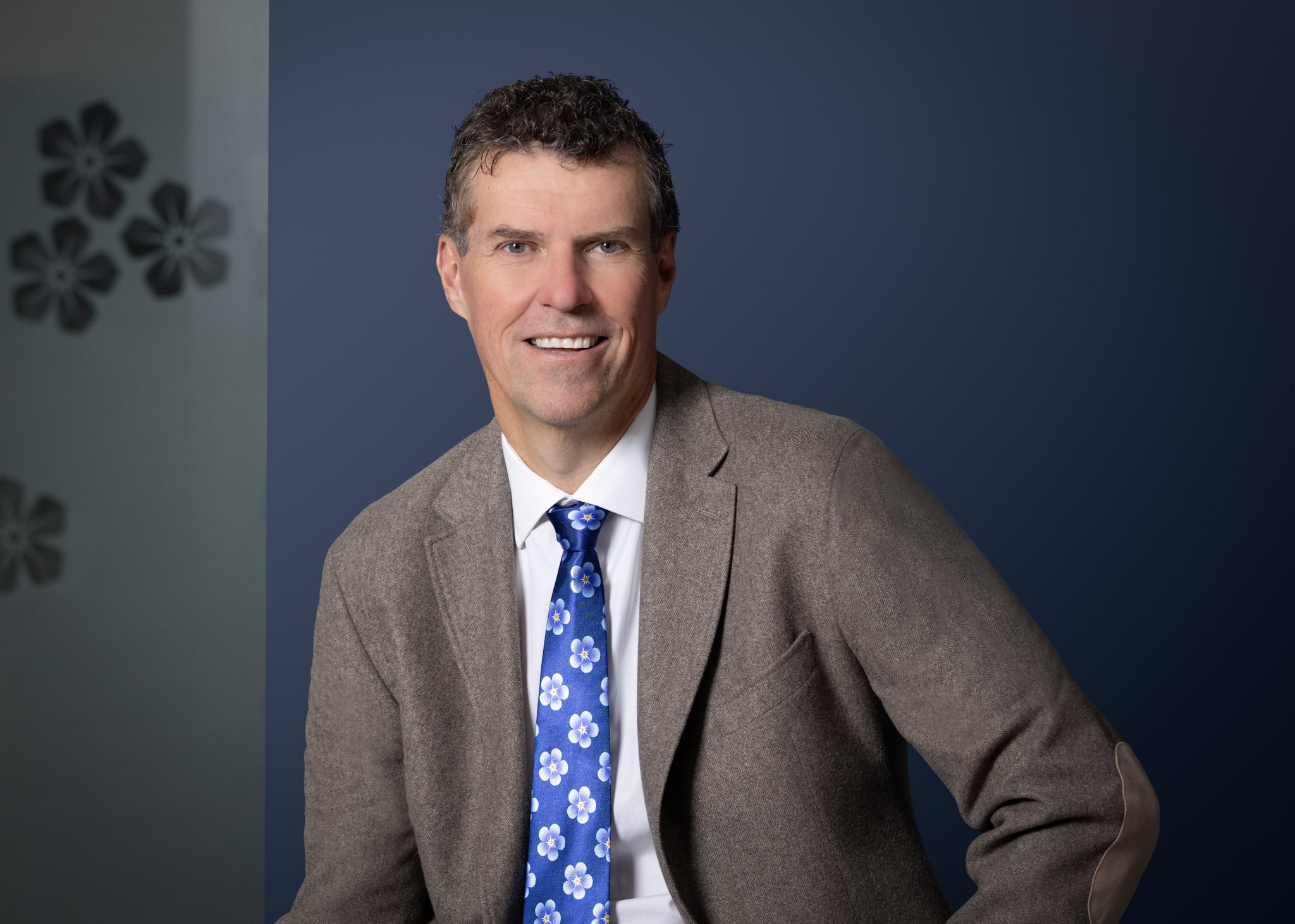
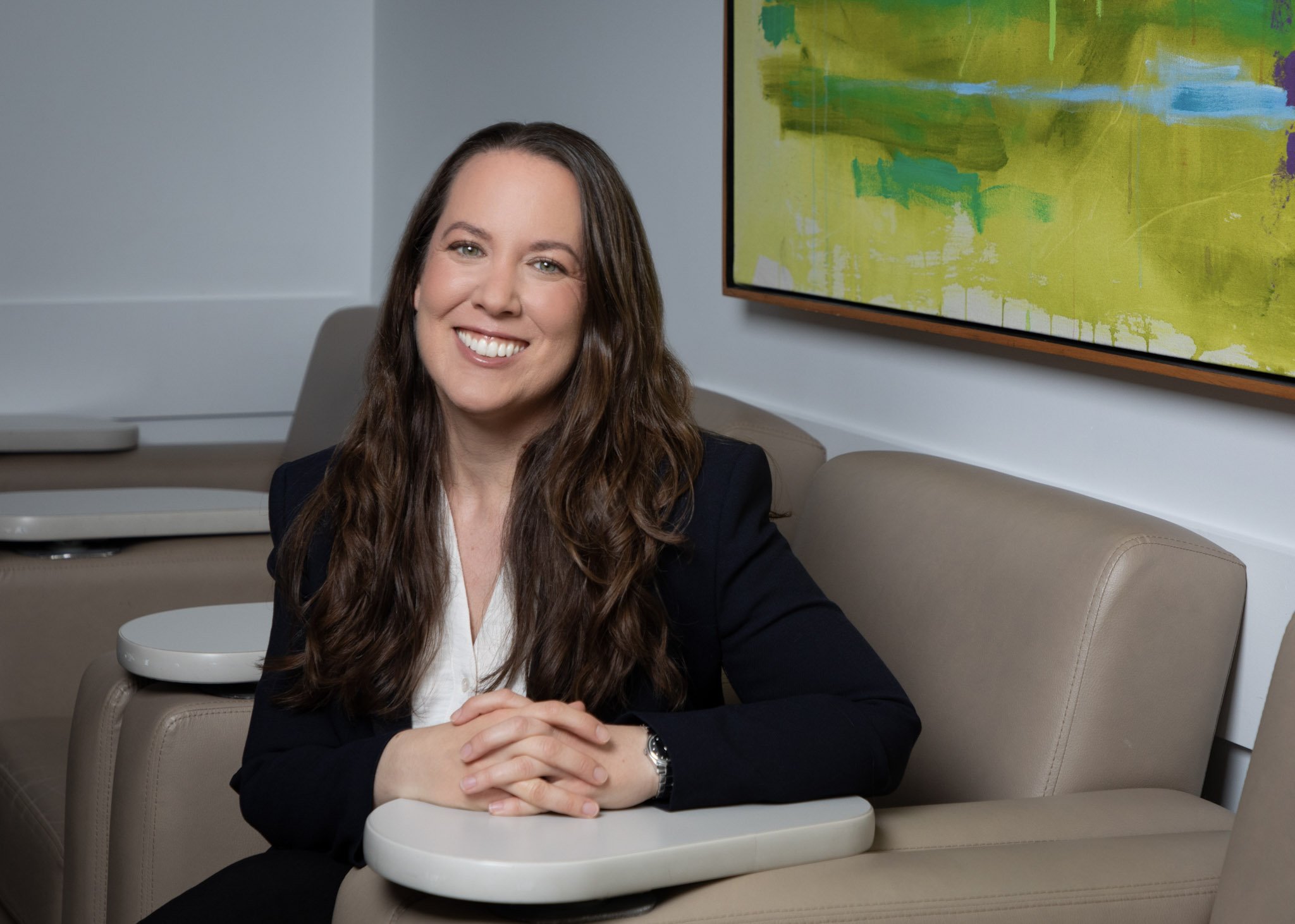
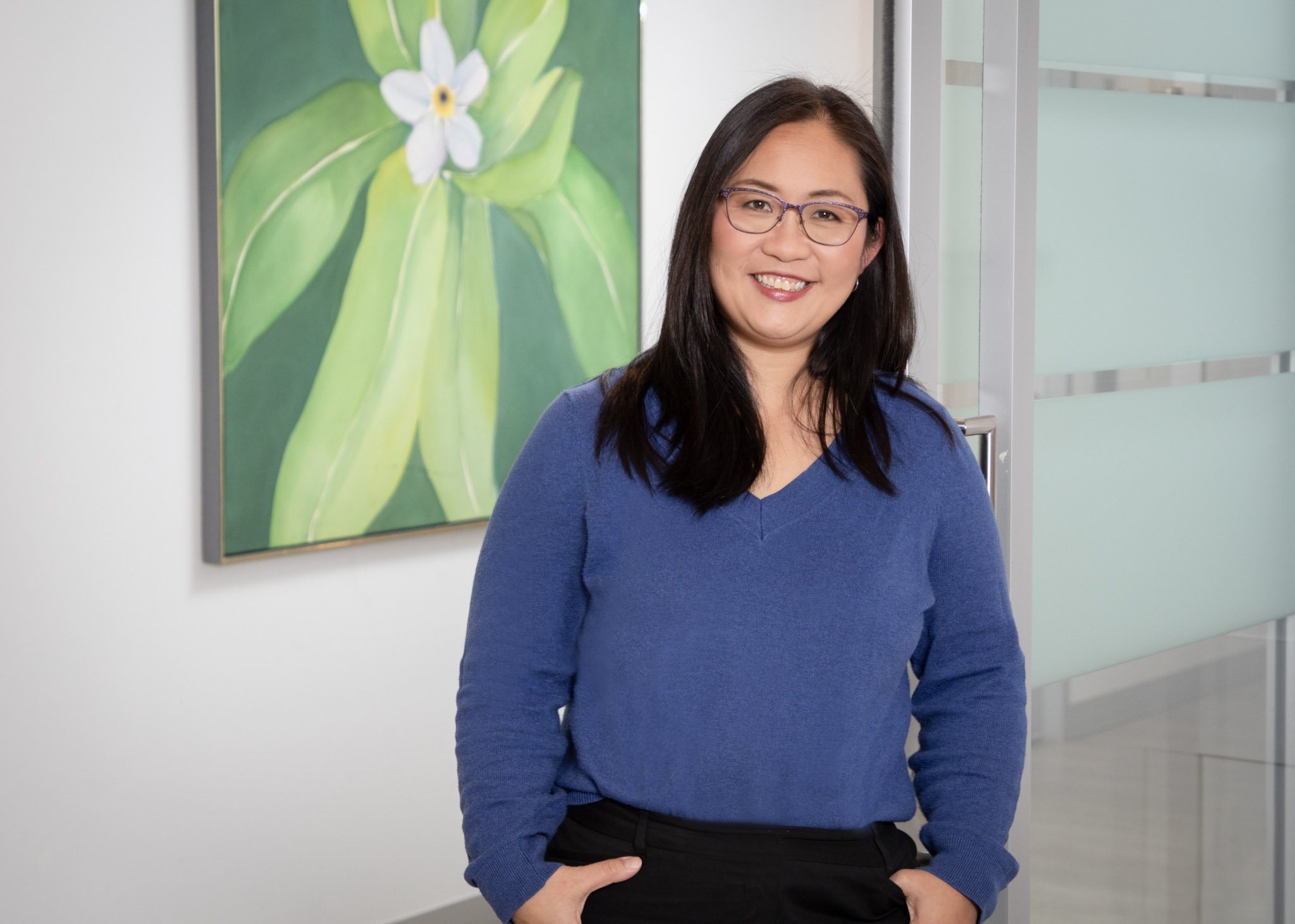
 Amanda Pick
 Patricia Hung